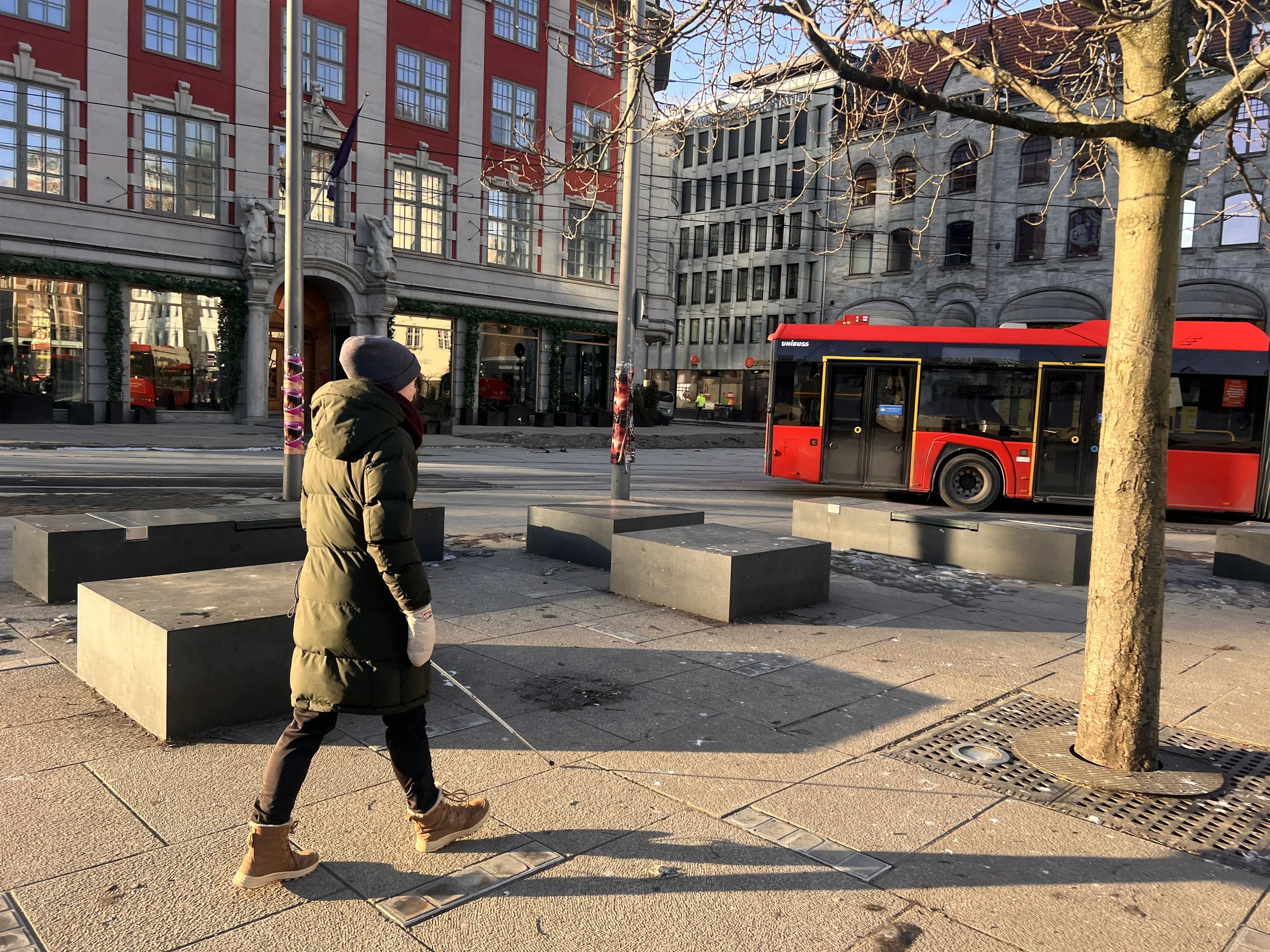
Bridging the gap
Master’s thesis in partnership with Ruter
January - May 2026Brief: Create technological and physical solutions for Ruter to make bus travel more accessible and user-friendly for people with visual variations.
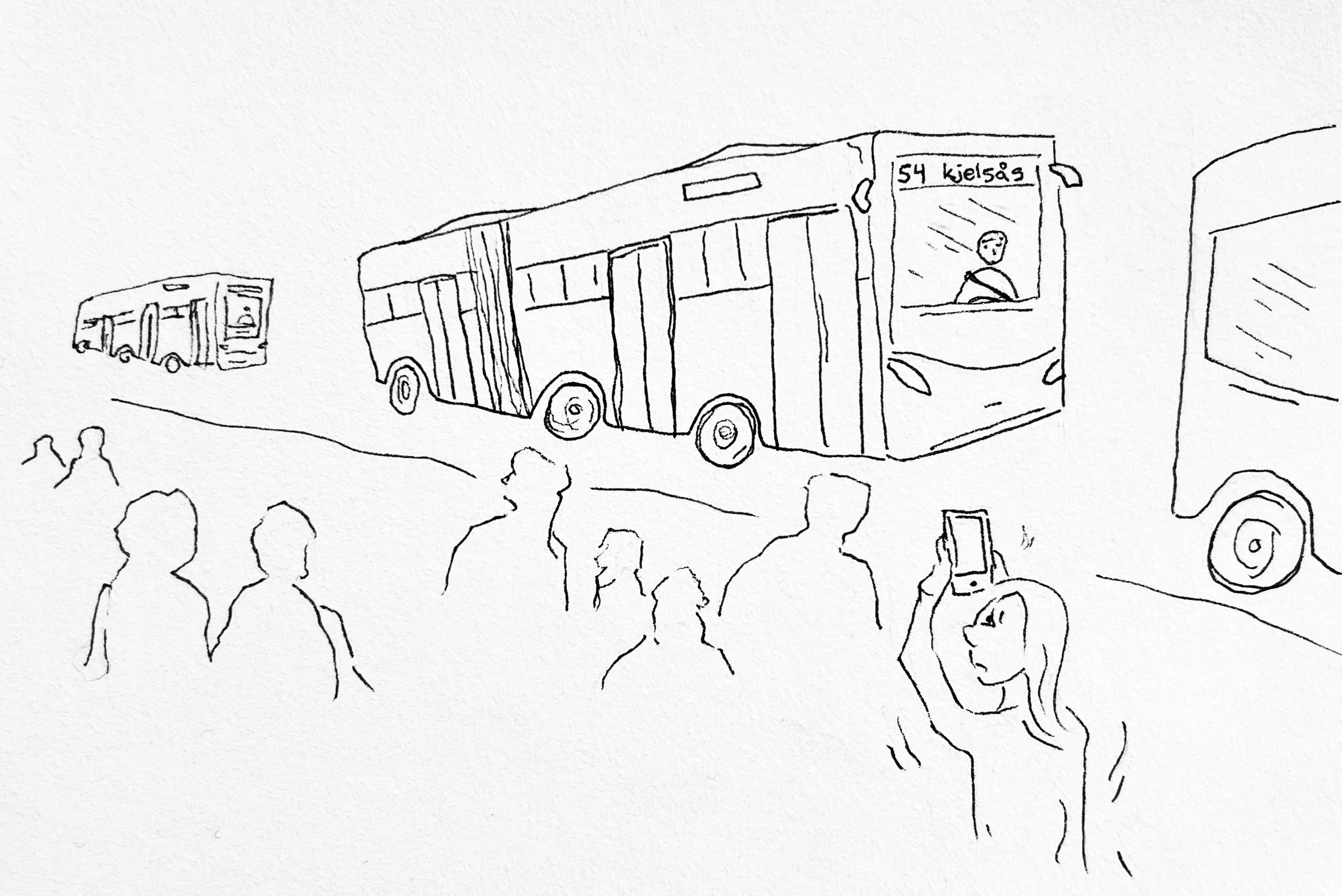
Bus travel is often perceived as less reliable compared to other forms of transportation. For people with visual impairments, it can be challenging to locate bus stops and identify the correct bus upon arrival.
In this project, I am exploring how alternative sensory cues, such as sound and vibration, can improve accessibility throughout the journey. The concepts include physical interventions and enhancements to the Ruter app to better support inclusive navigation.
Insights through observations and workshops
Participatory and iterative approach.
Observations, interviews, workshops and usability testing.
Users with visual impairments were recognized as key experts, and their lived experiences were central to the development process.
Insights from stakeholders at Ruter, the Norwegian Association of the Blind and Partially Sighted, and specialists in universal design further strengthened the project.
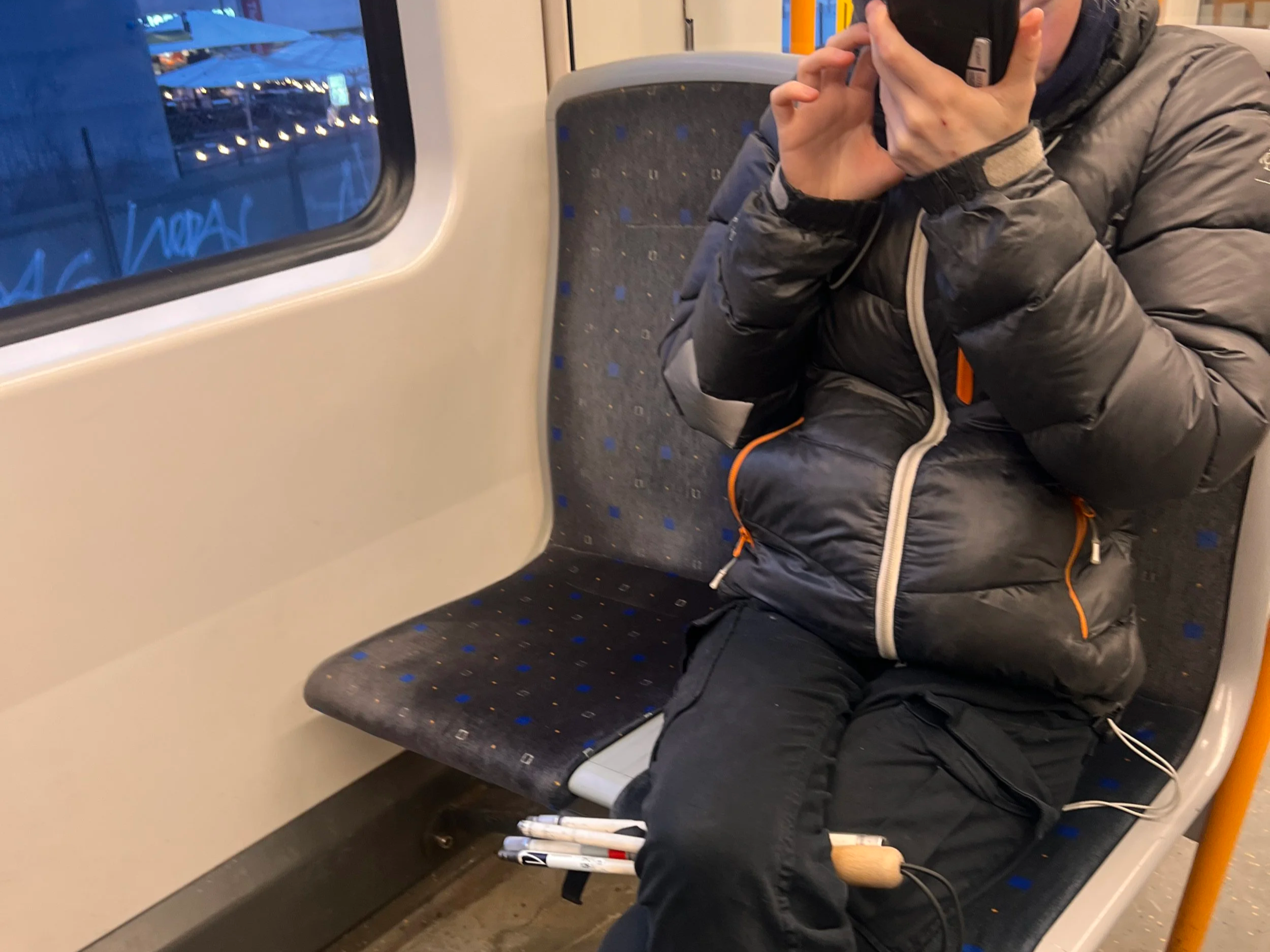
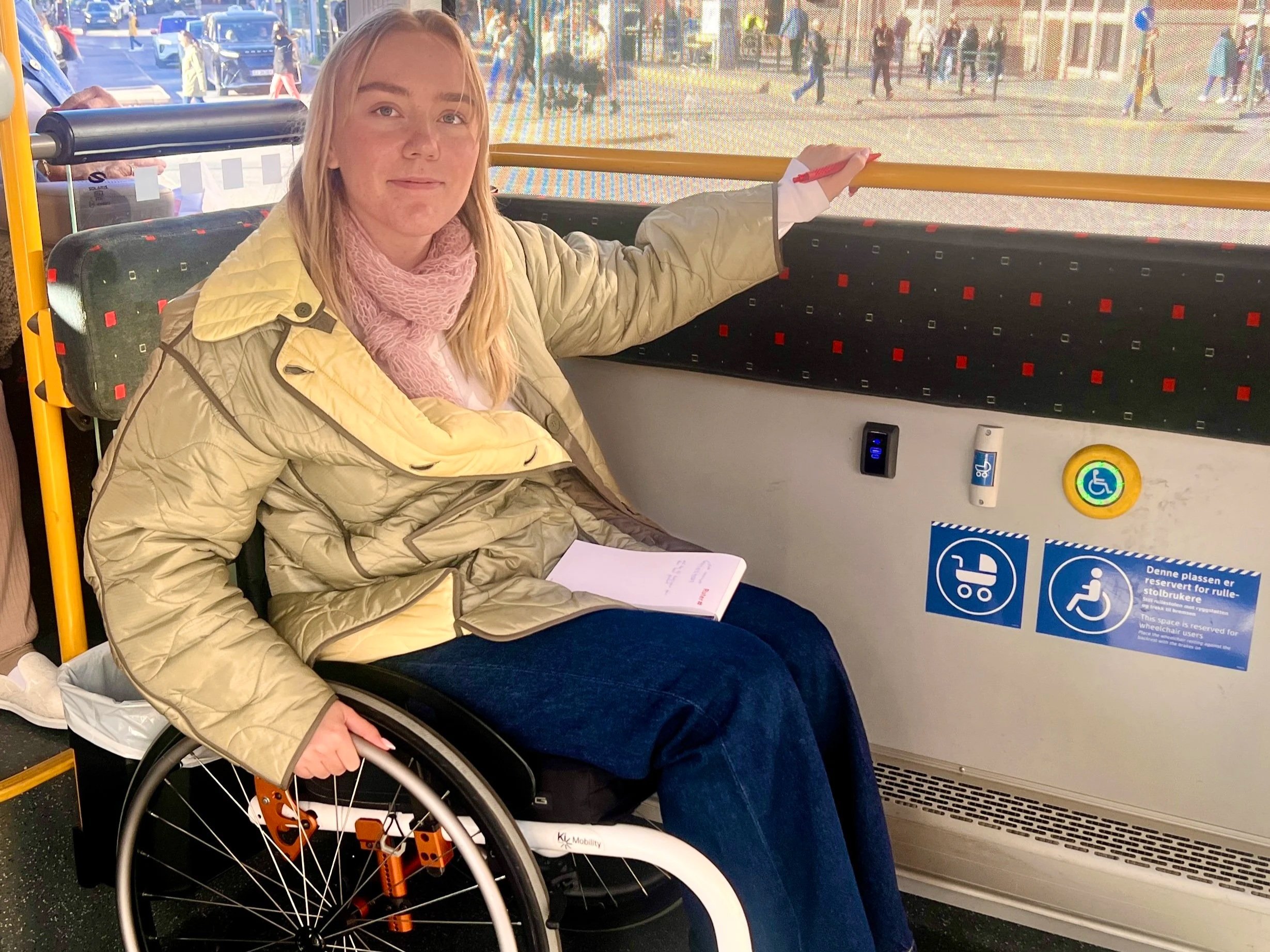
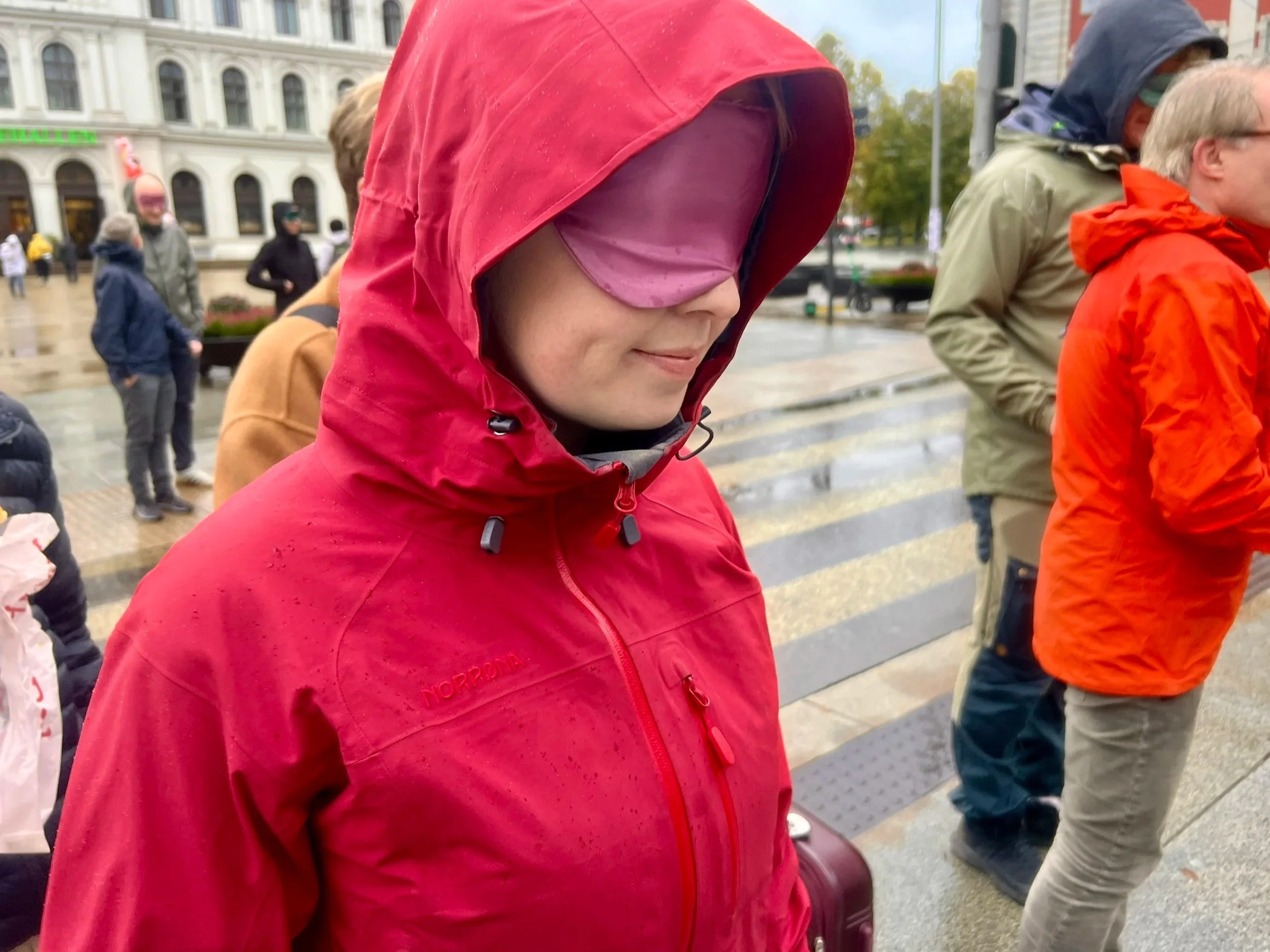
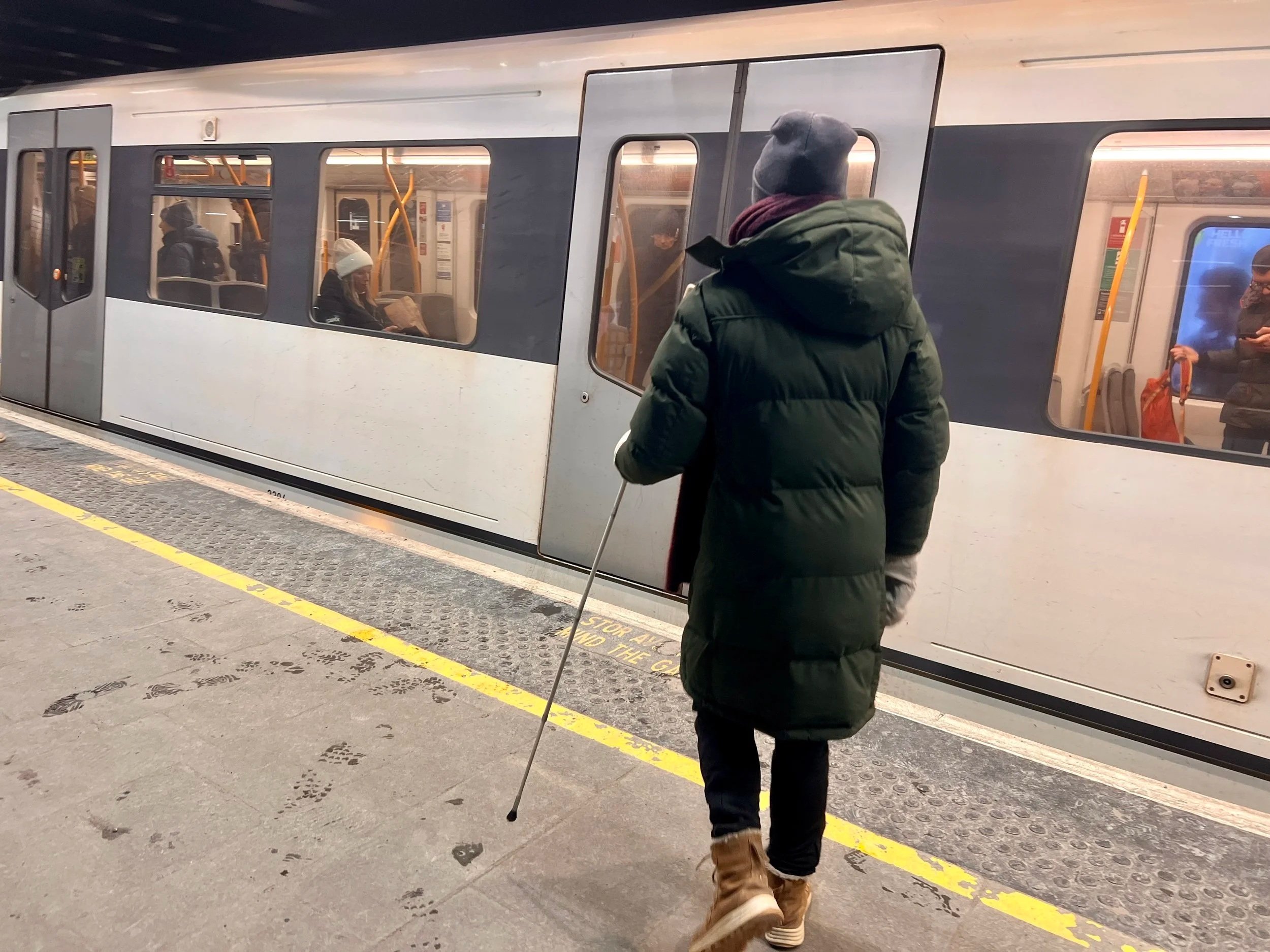
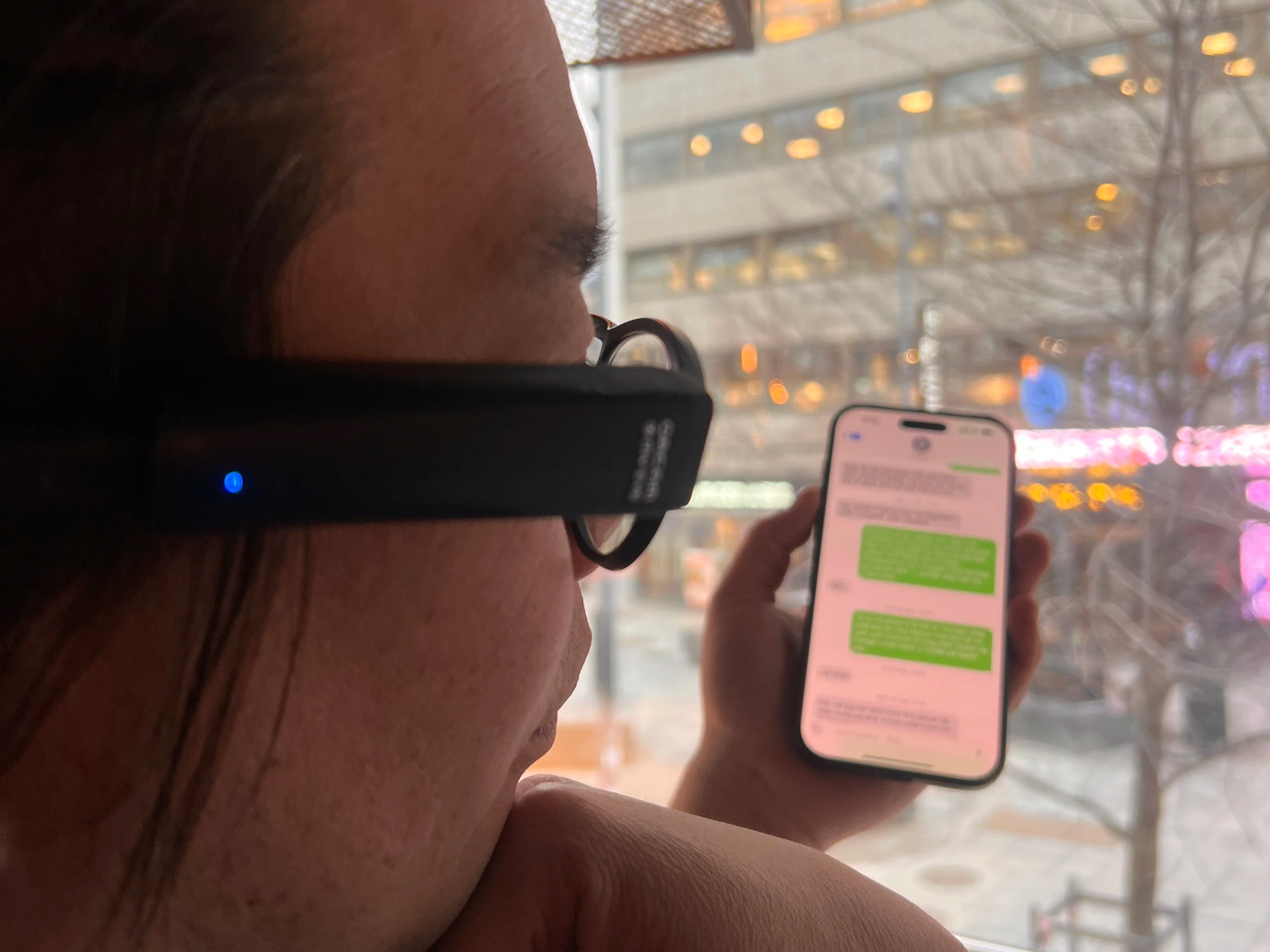
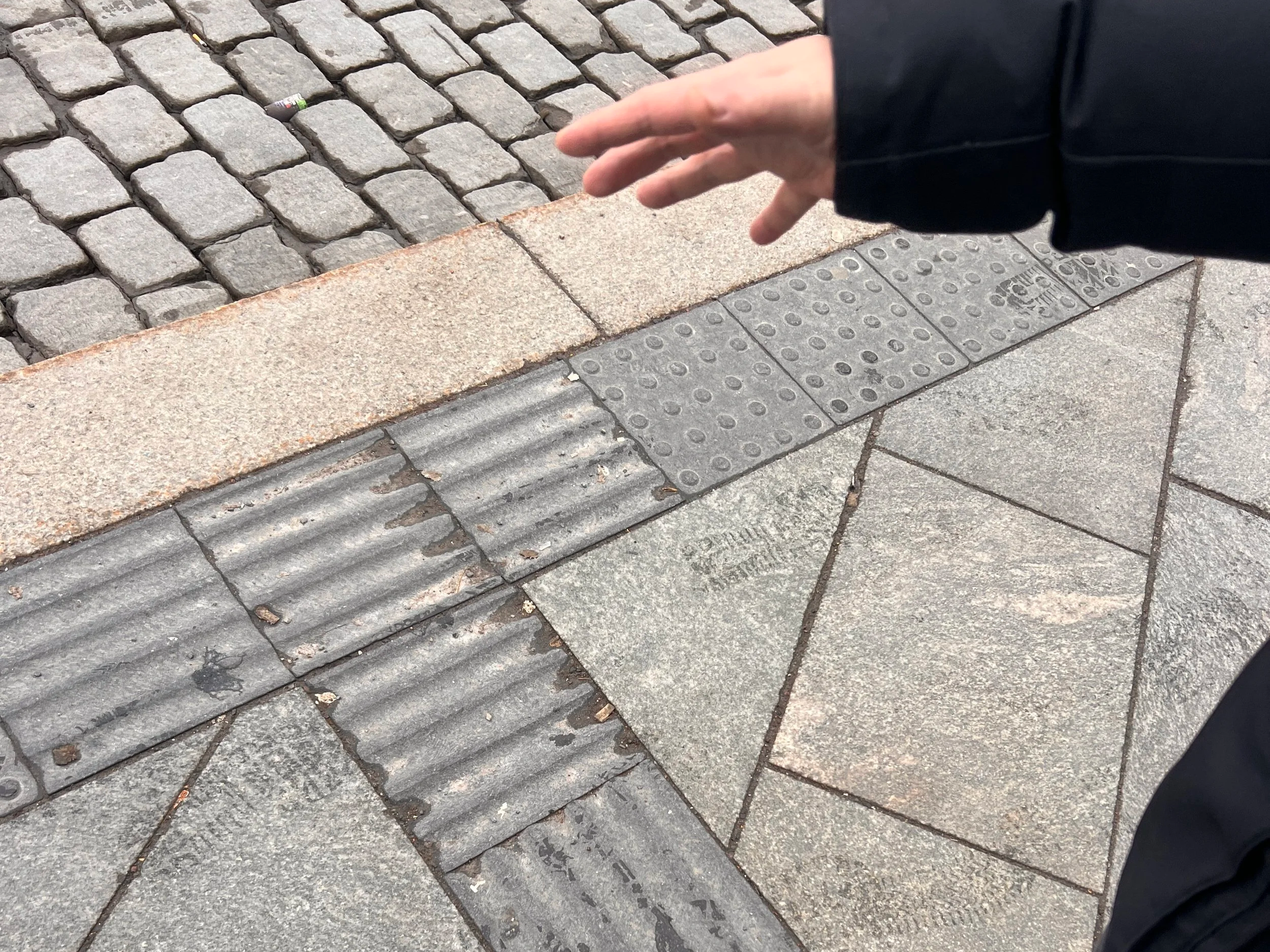
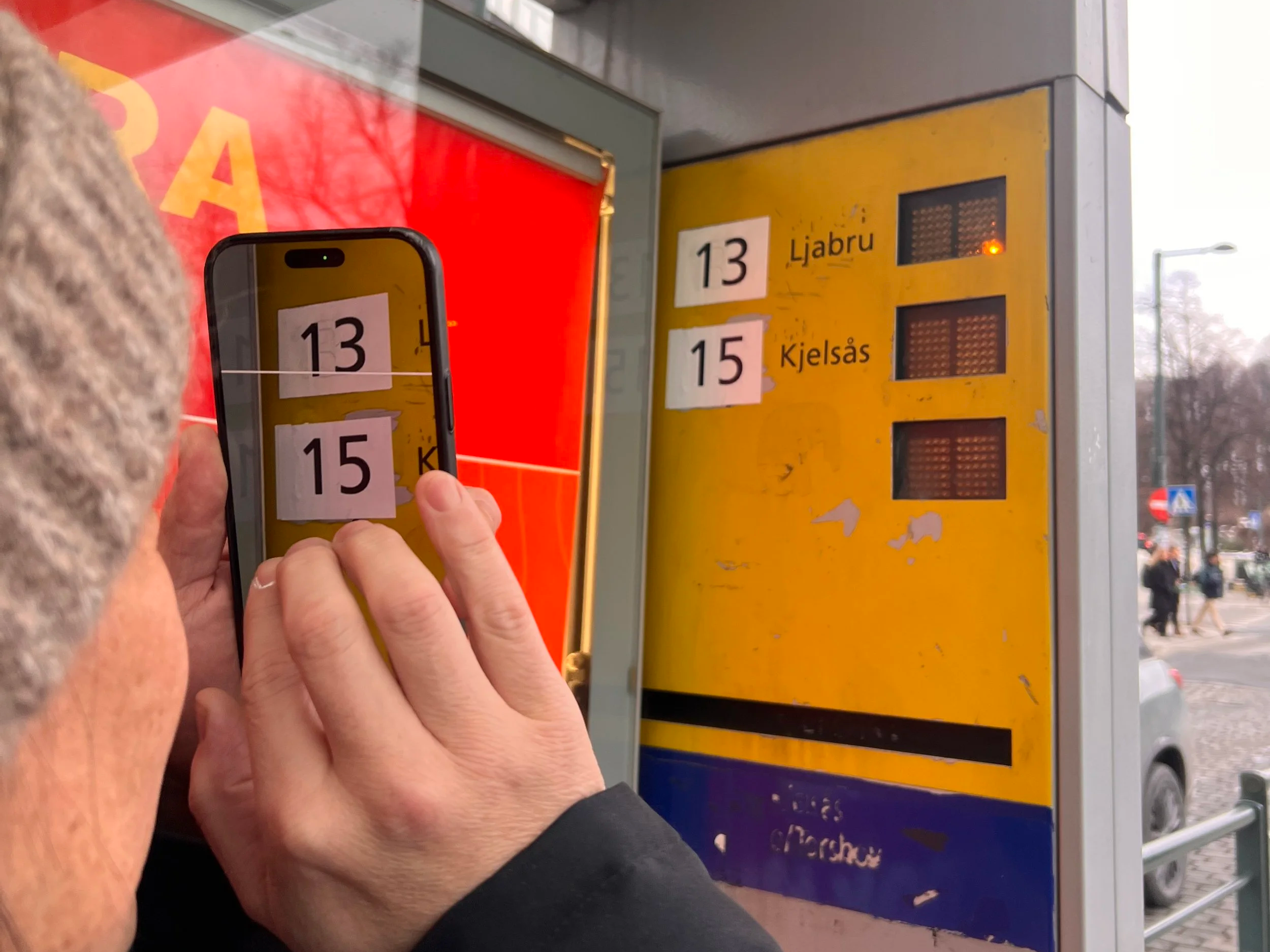
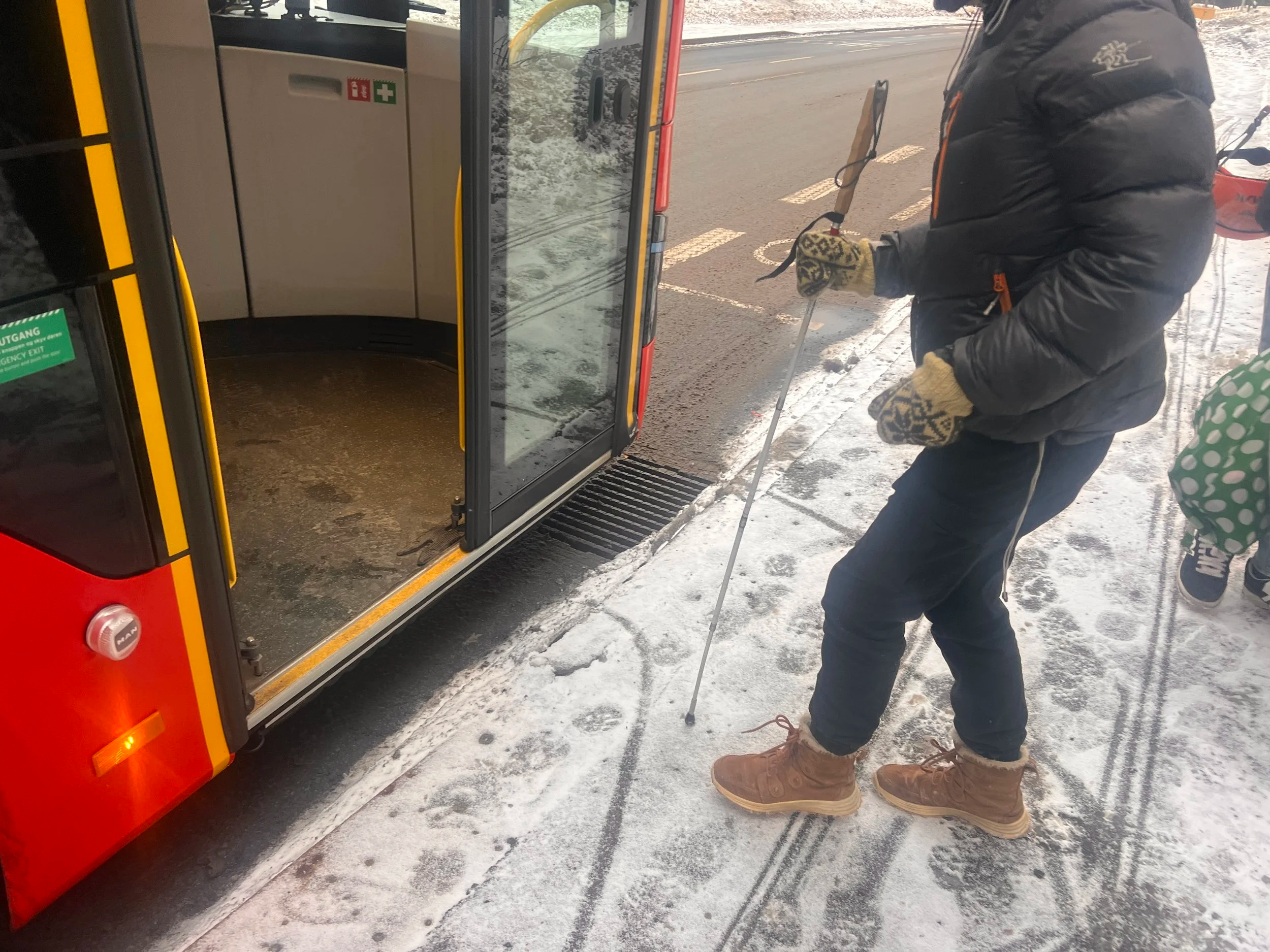
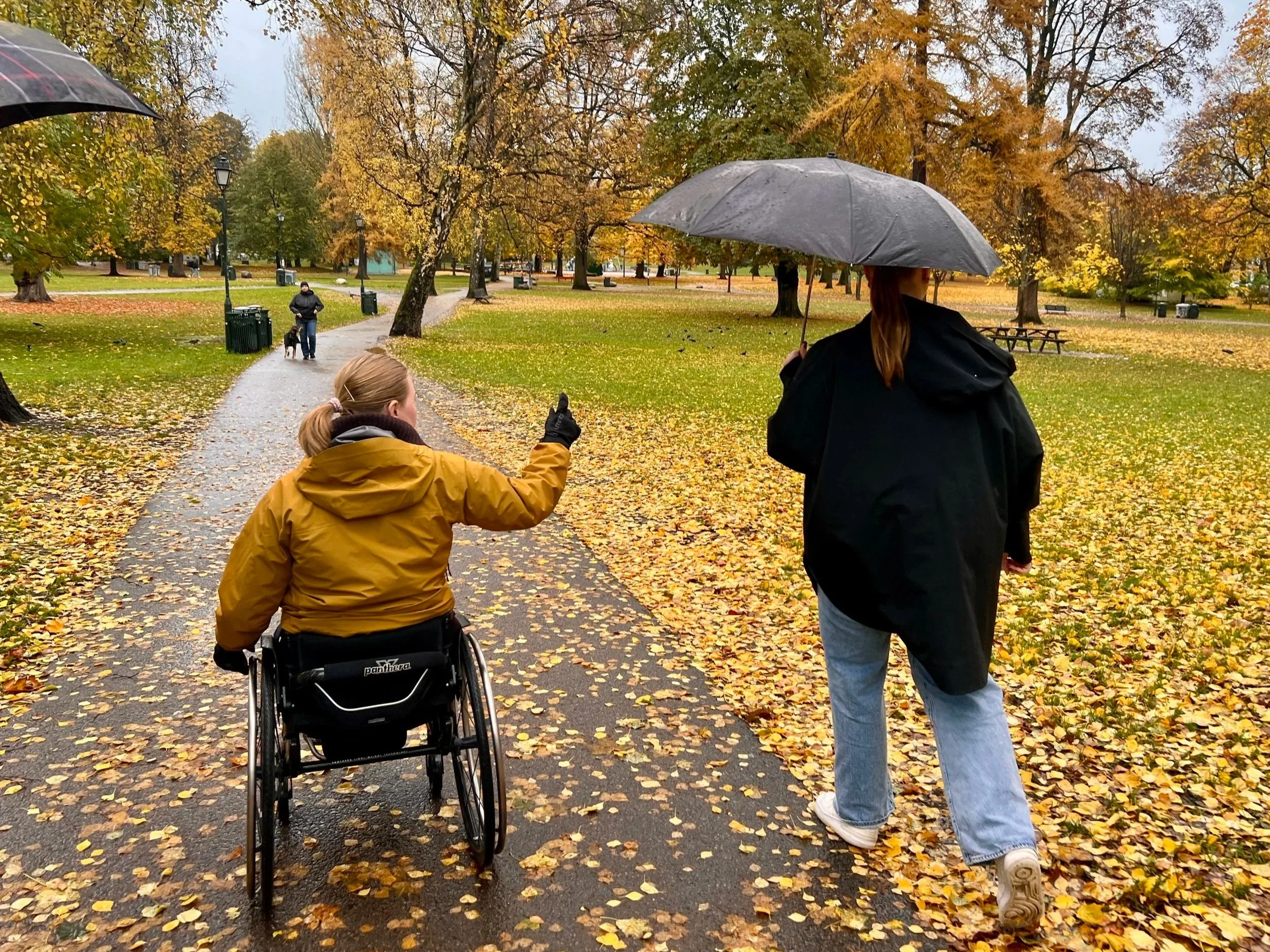
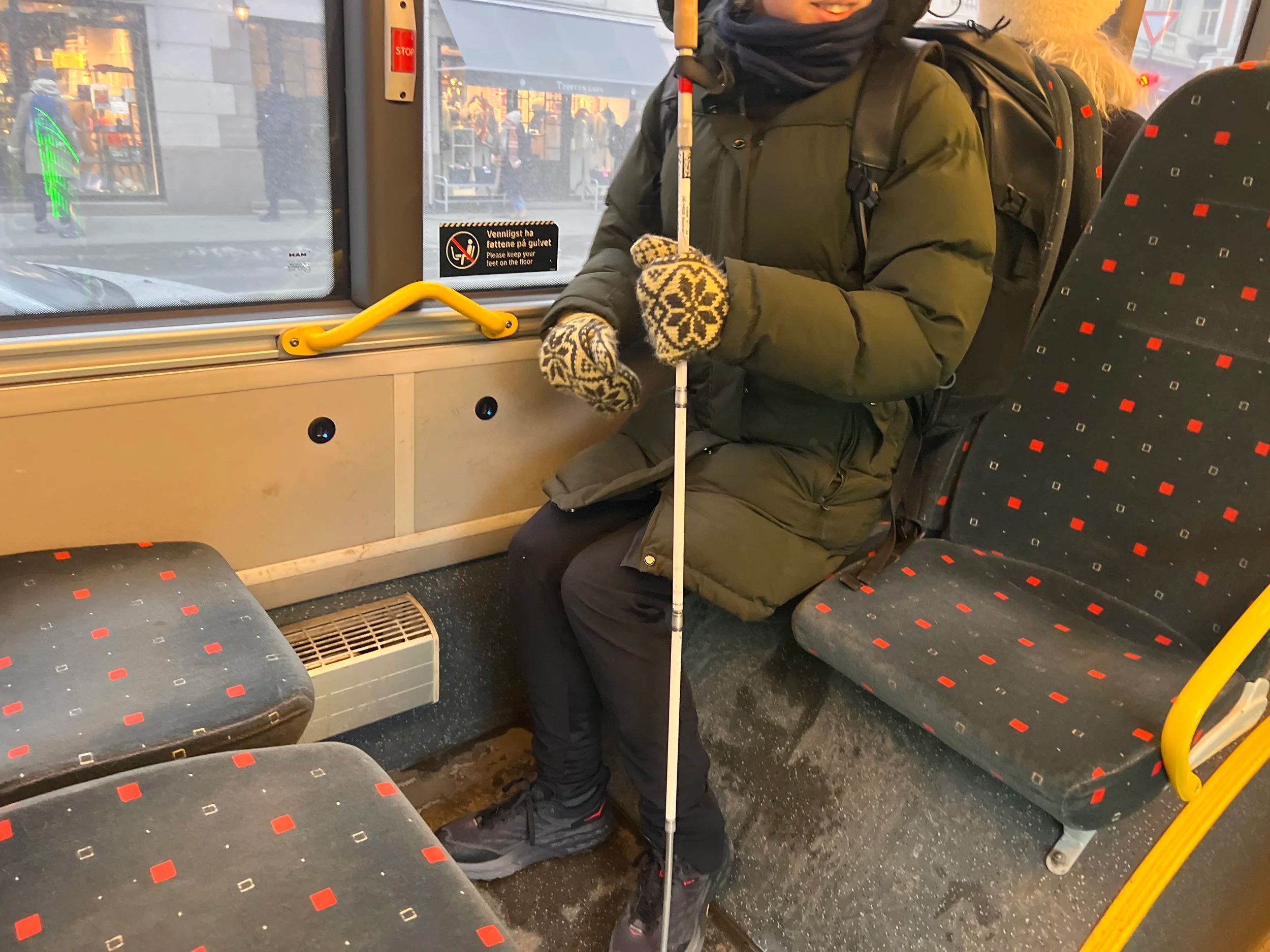
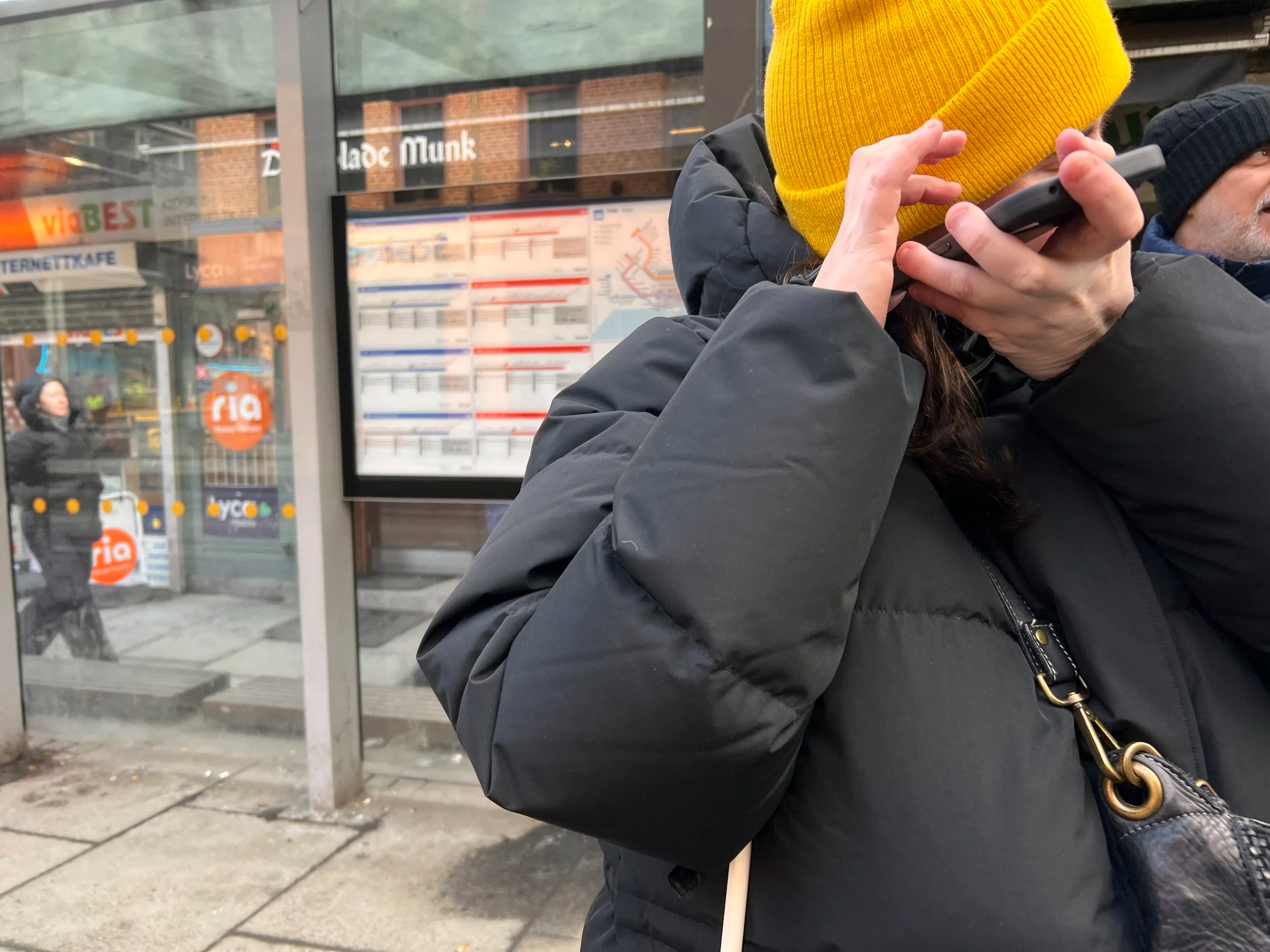
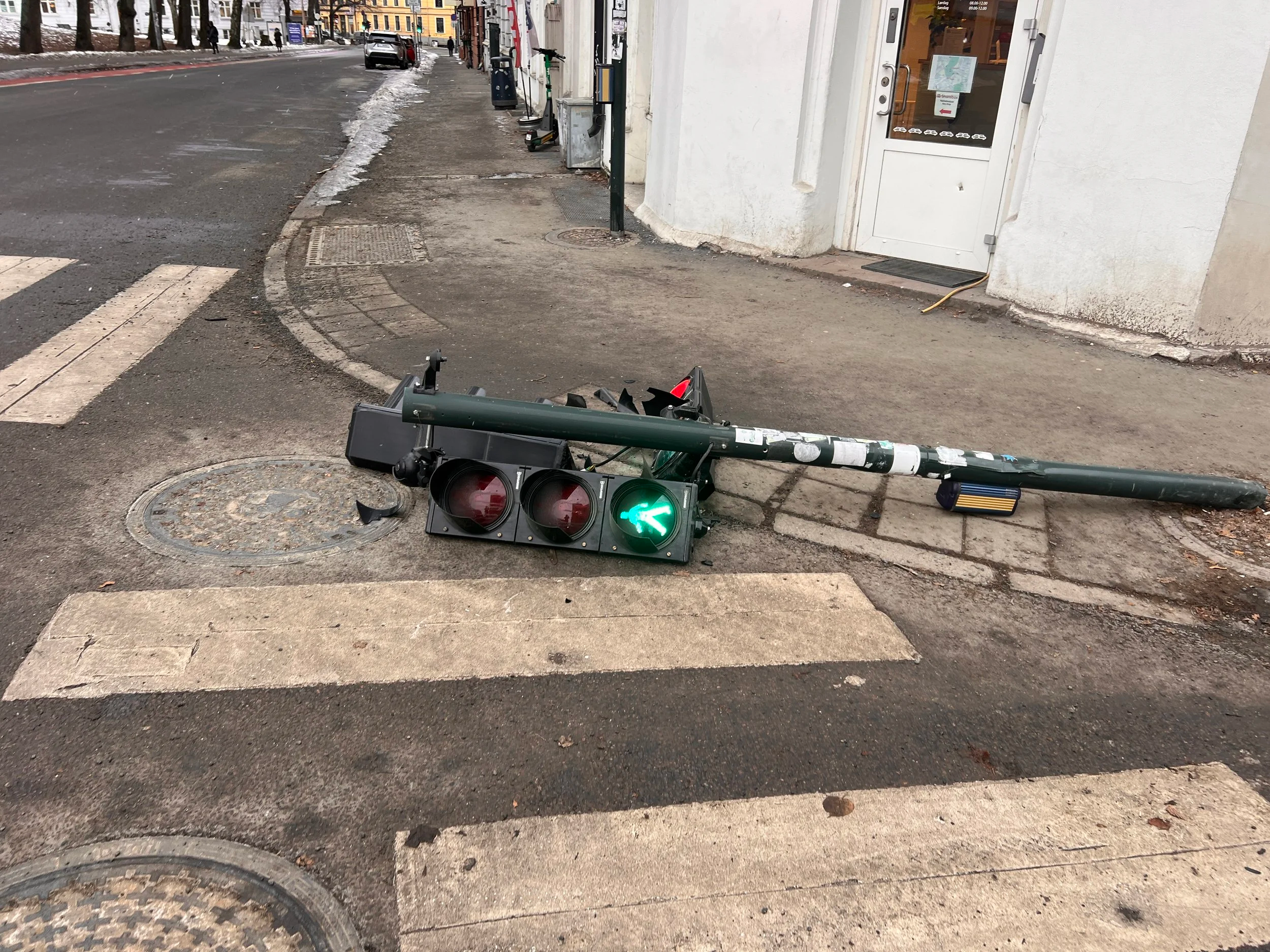
Research activities with users
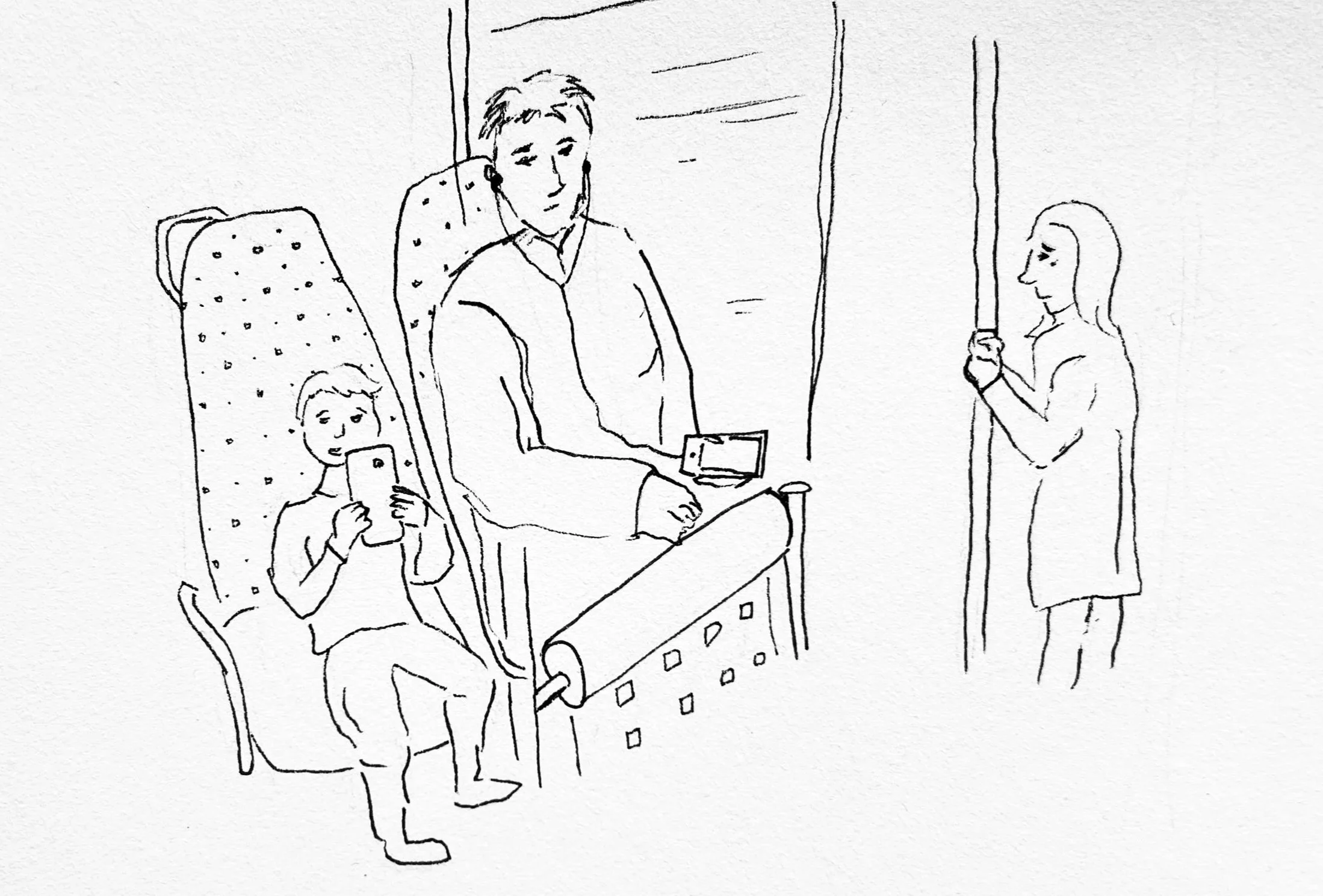
Observations: Conducted travel observations with three individuals with visual impairments.
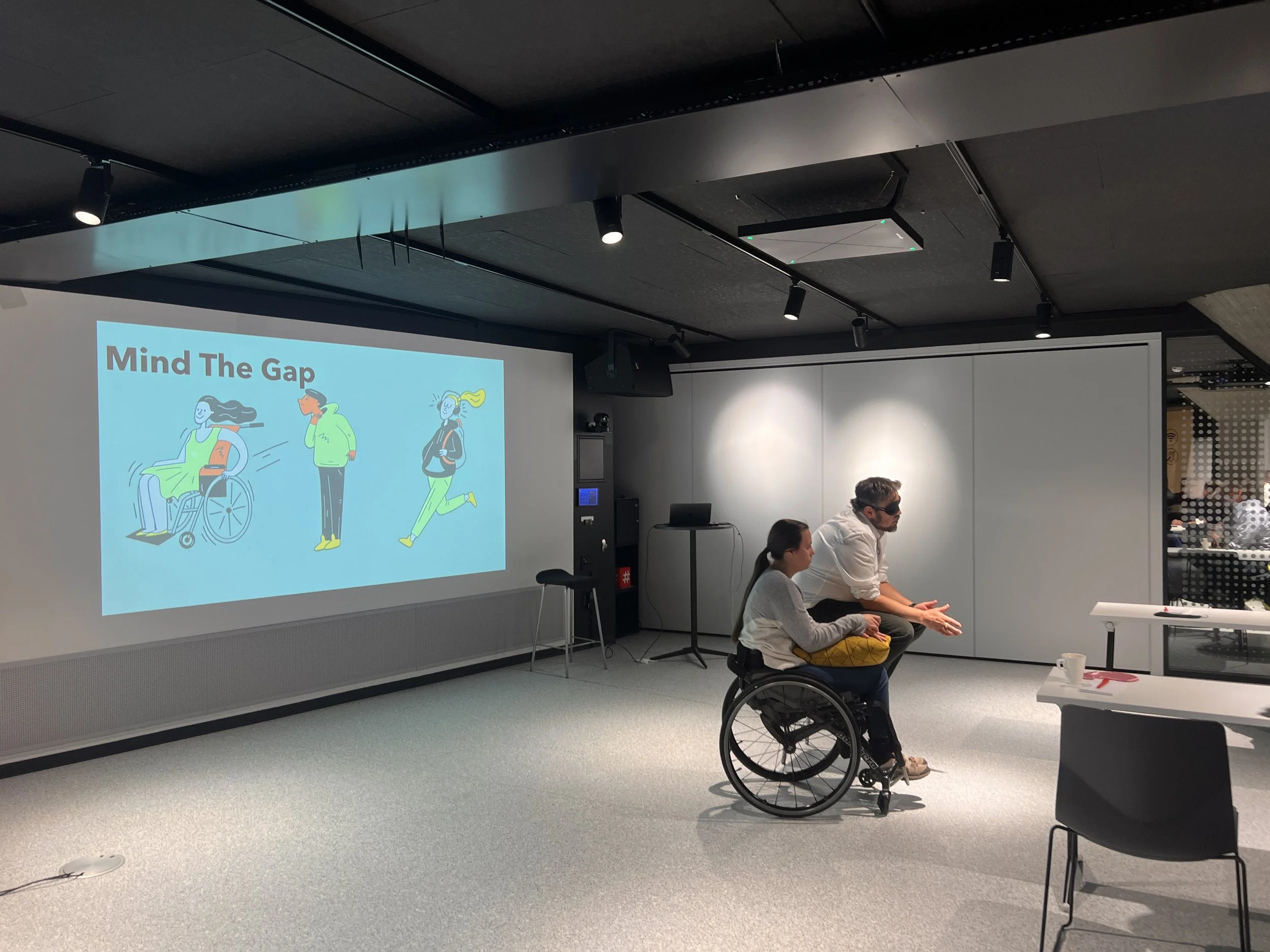
Participated in four workshops at Ekskurs involving bus drivers, employees from the Agency for Urban Environment, and individuals with various disabilities as experts.
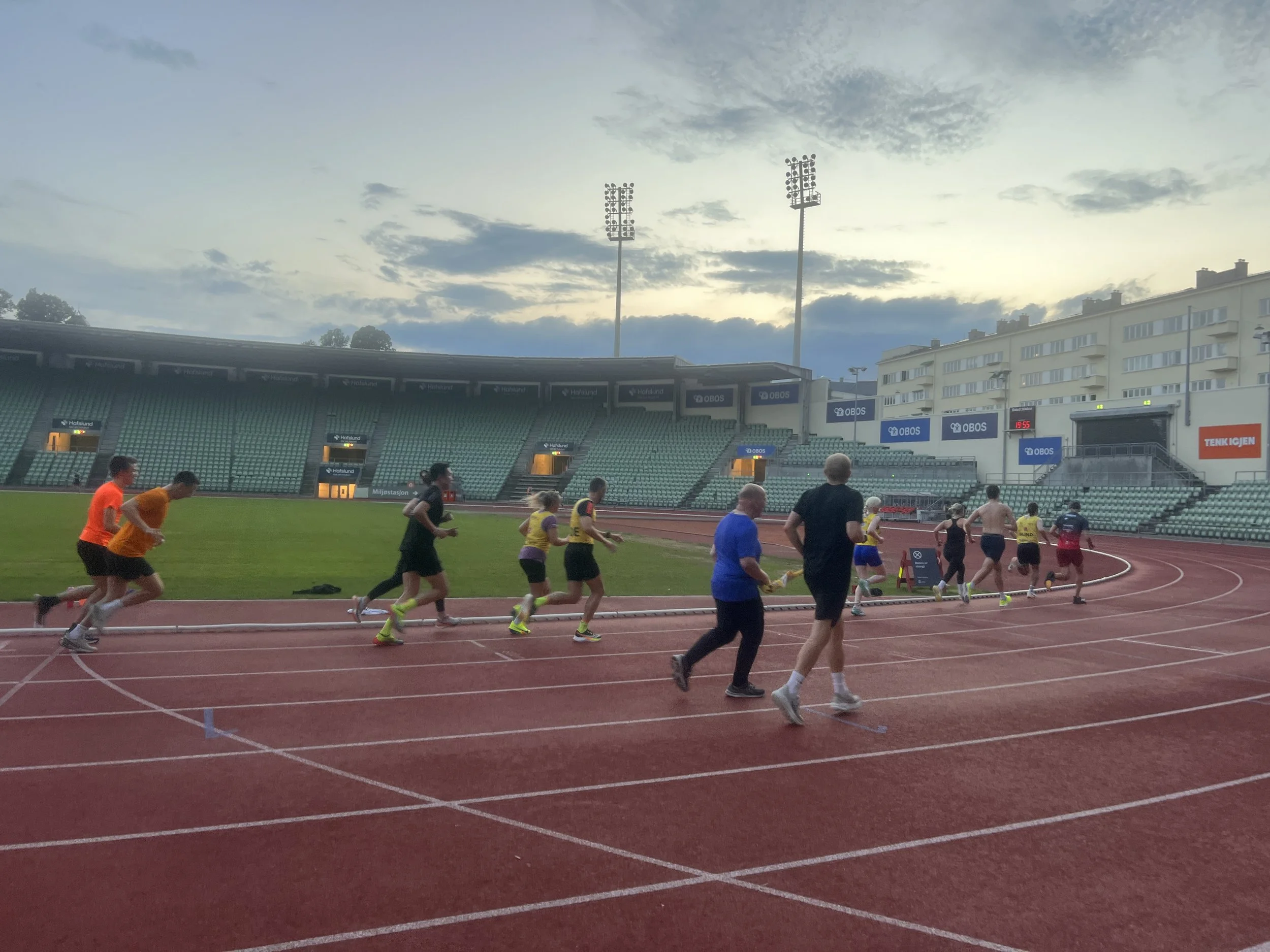
I am a running-guide during training at Bislett stadion once a week.
Interviews: Conducted 12 in-depth interviews with blind and visually impaired.
Workshops: Organized and facilitated two ideation workshops at the Norwegian Association of the Blind and Partially Sighted with blind and visually impaired people.
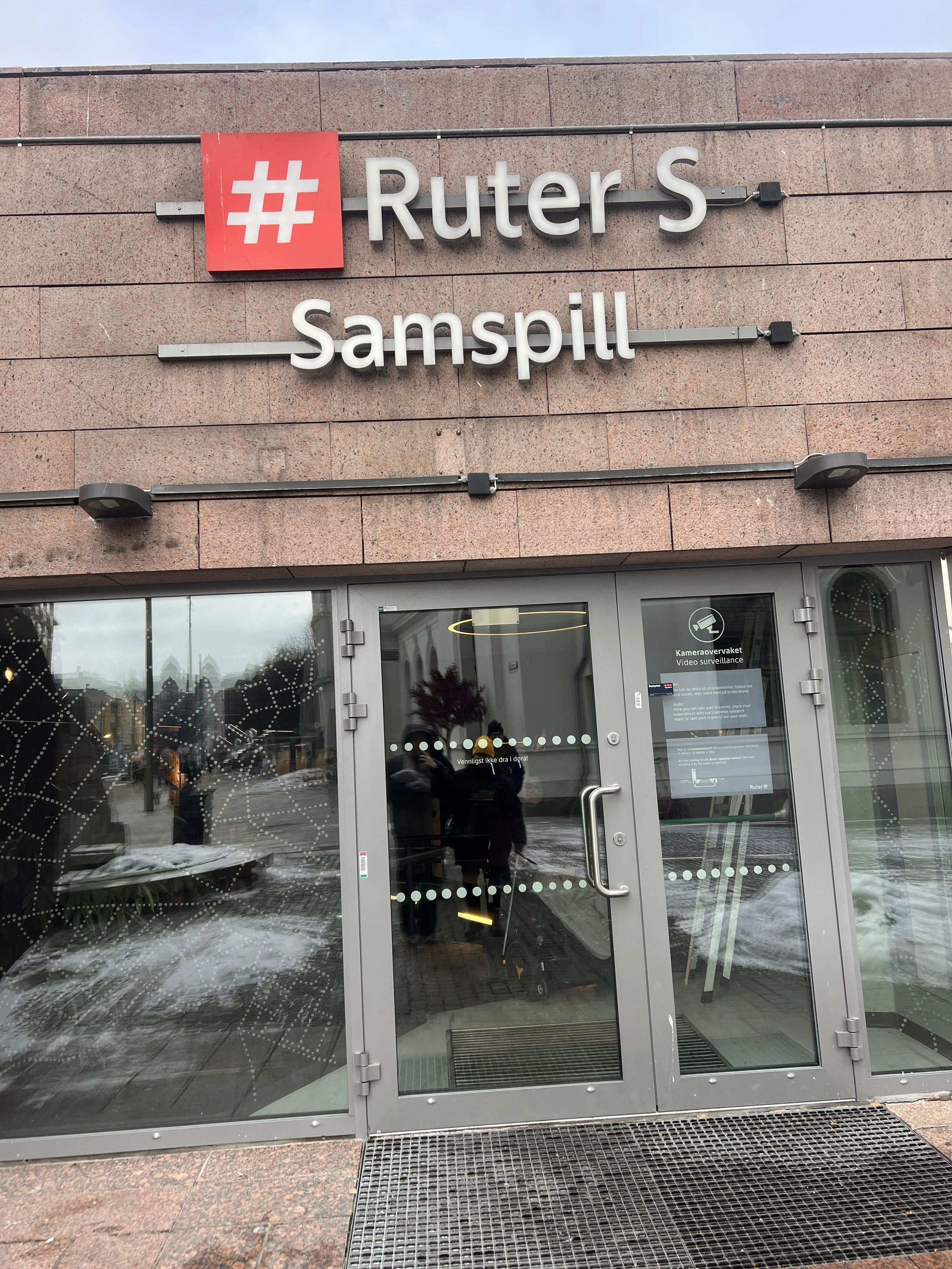
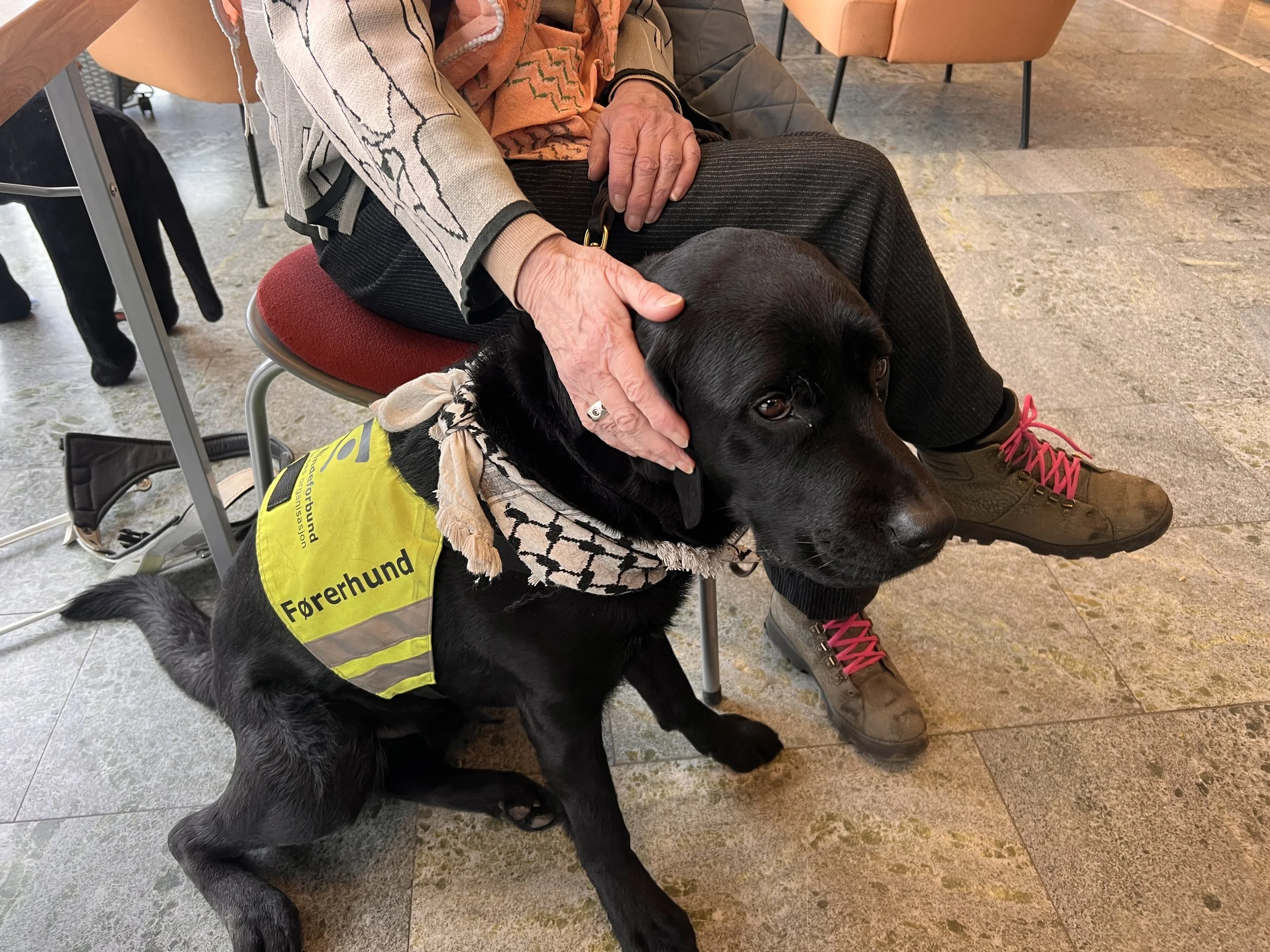
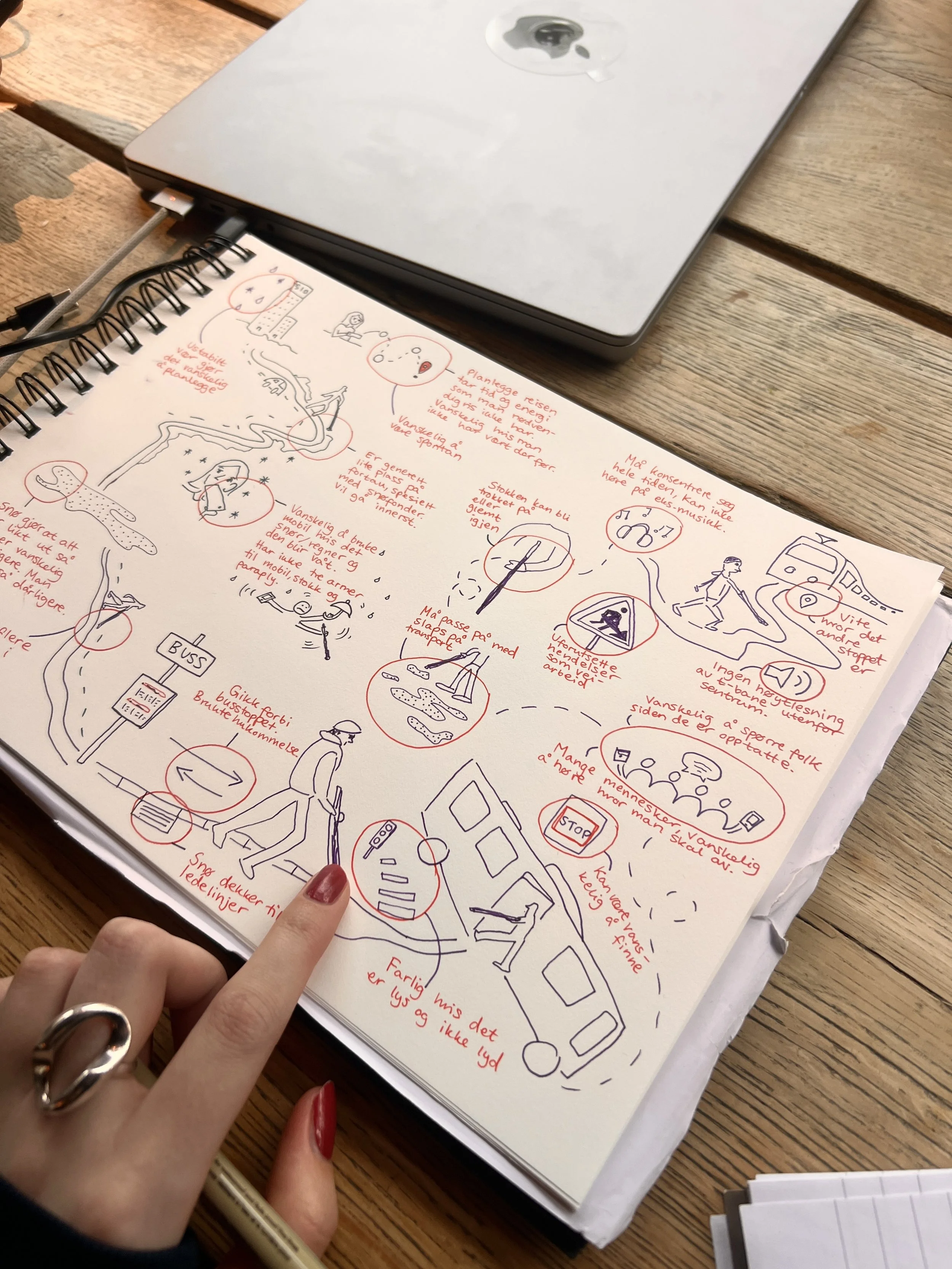
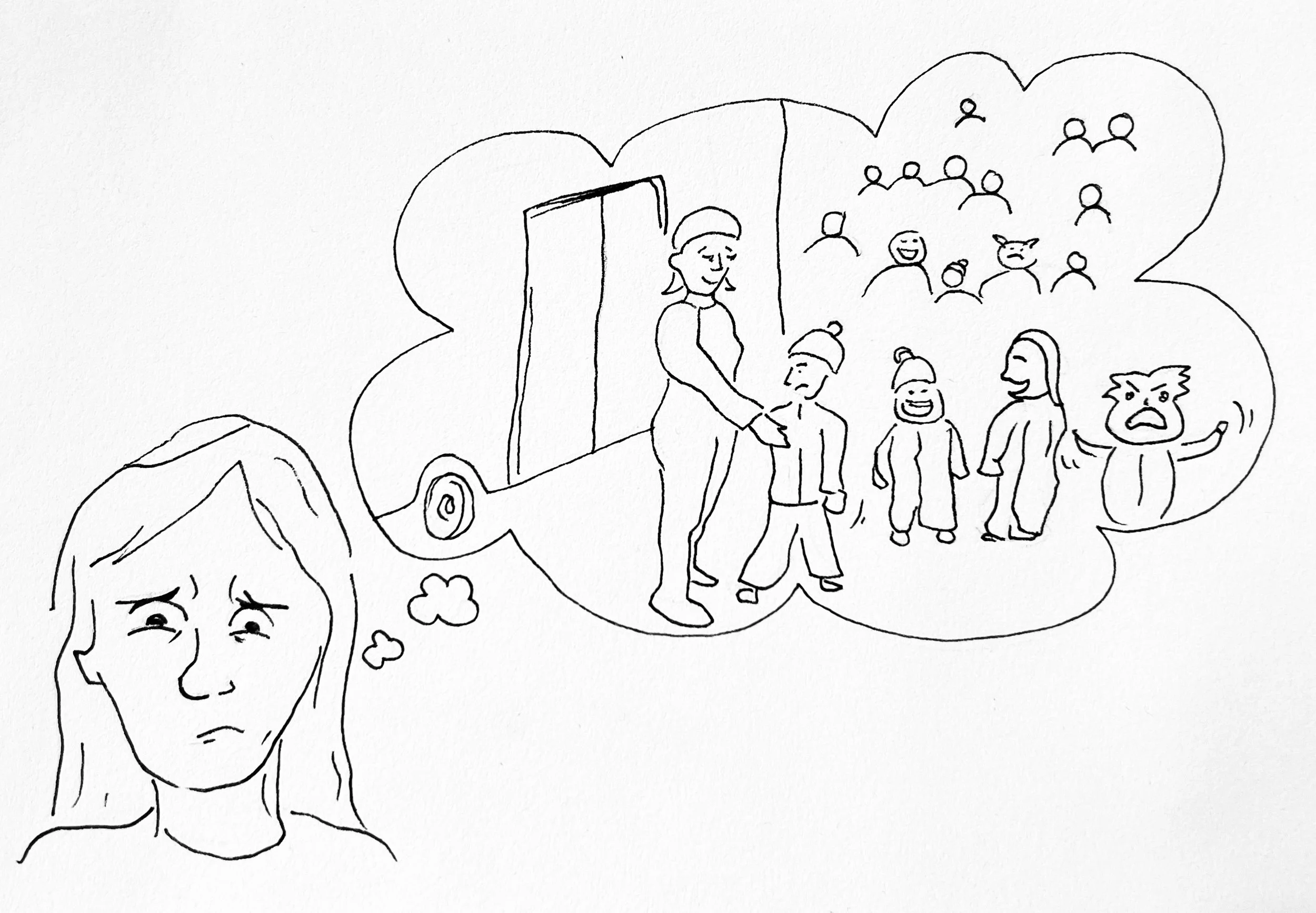
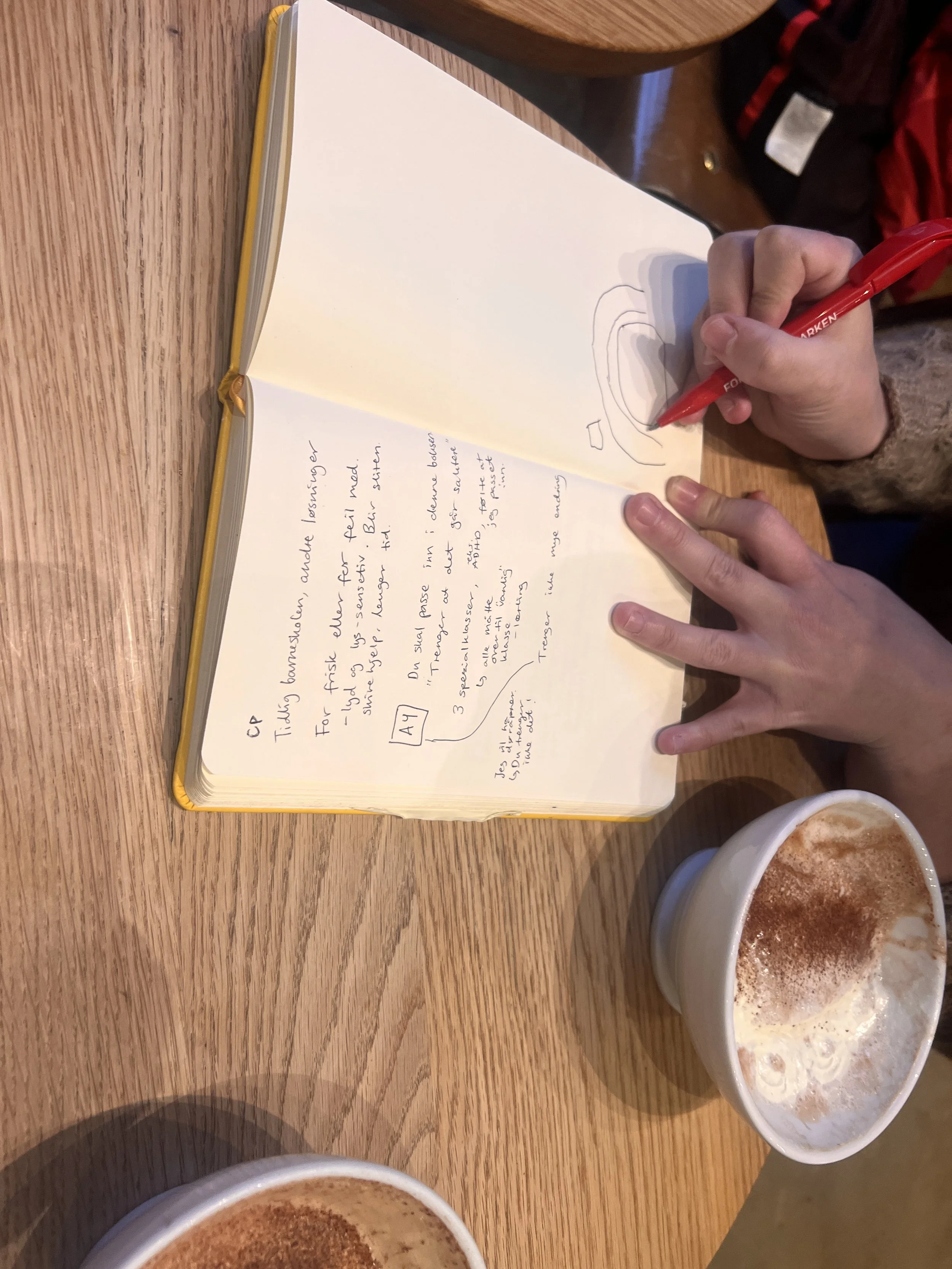
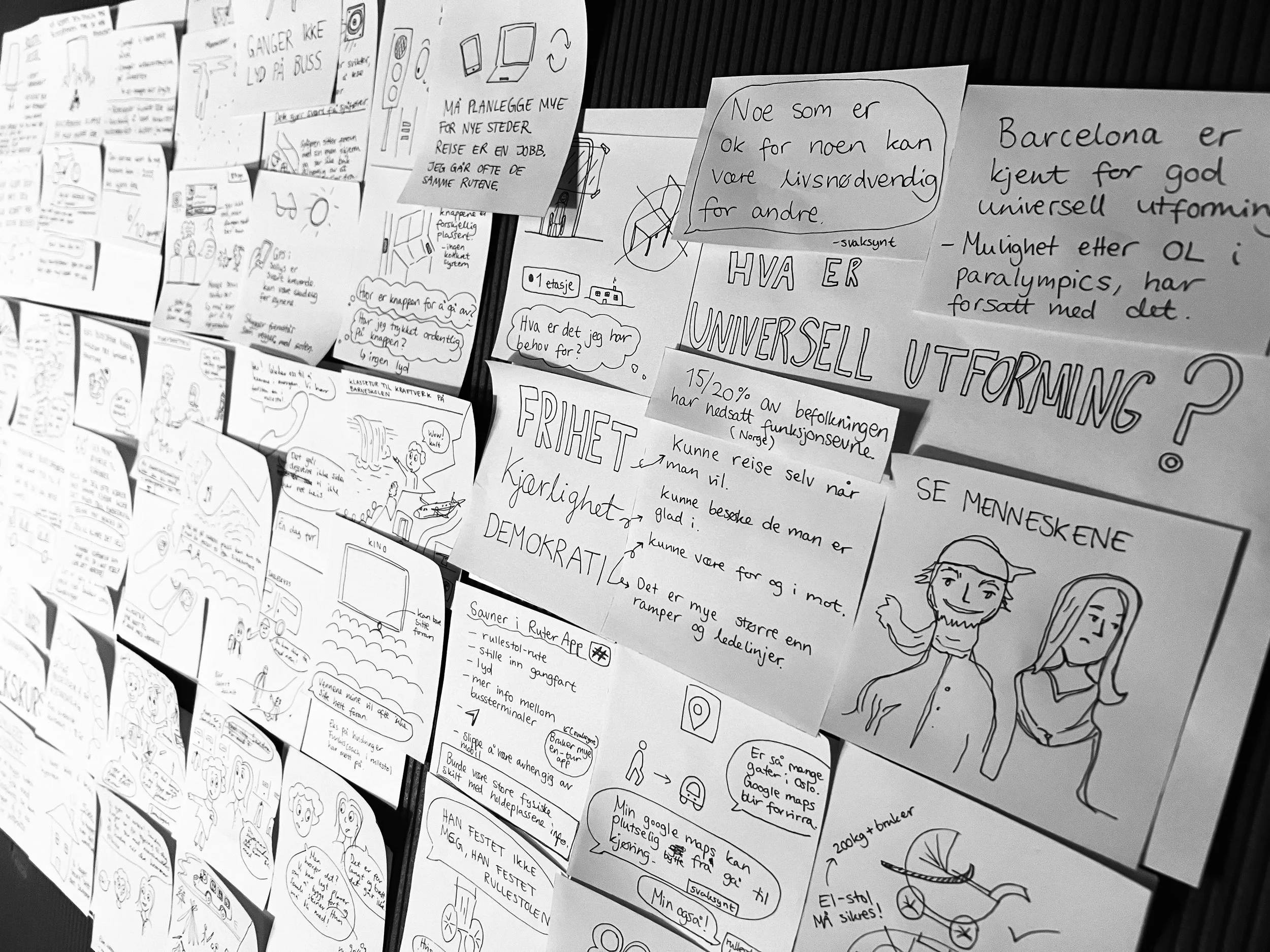
What makes you feel safe when traveling?
What makes you feel stressed while traveling?
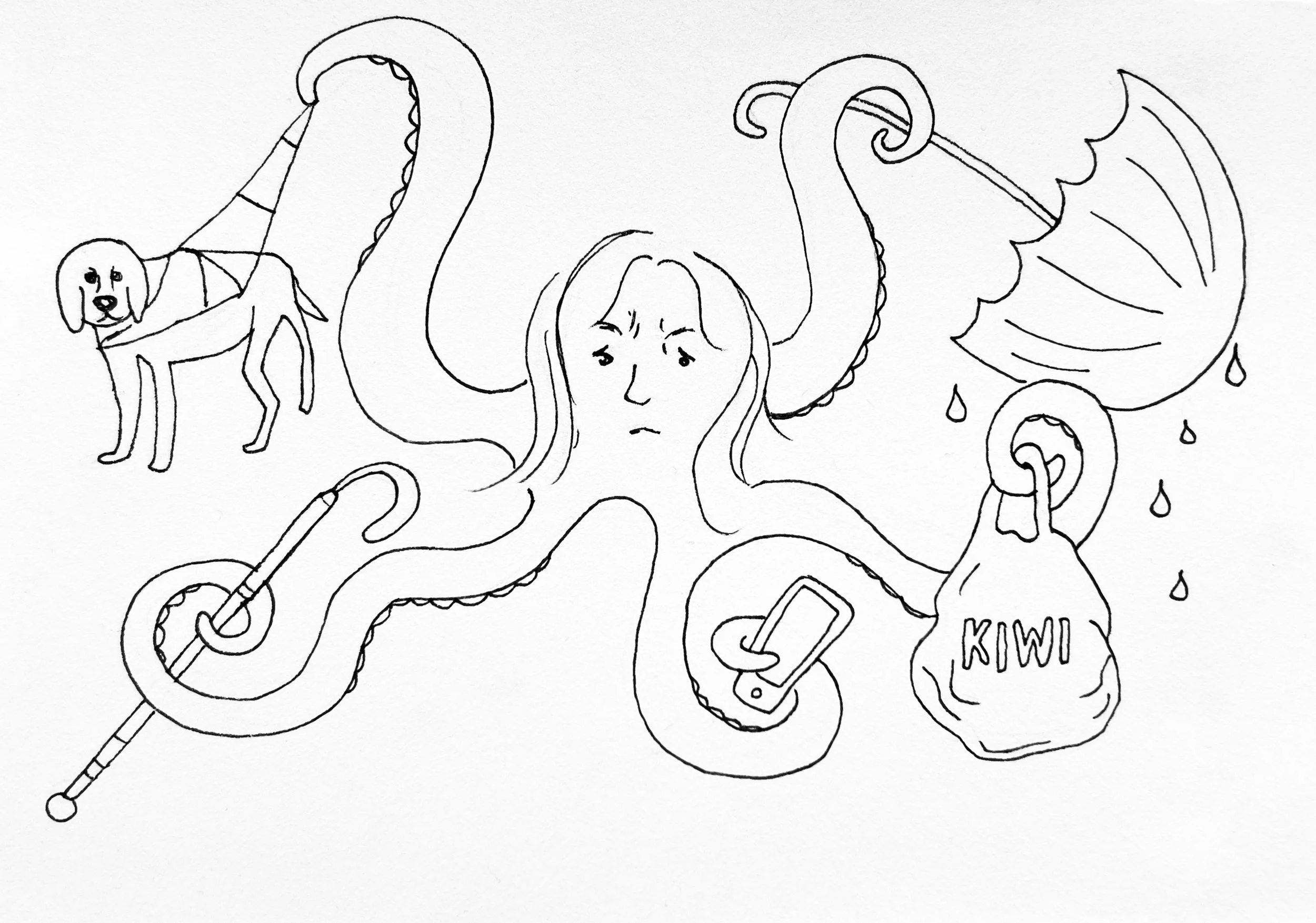
What is & what if?
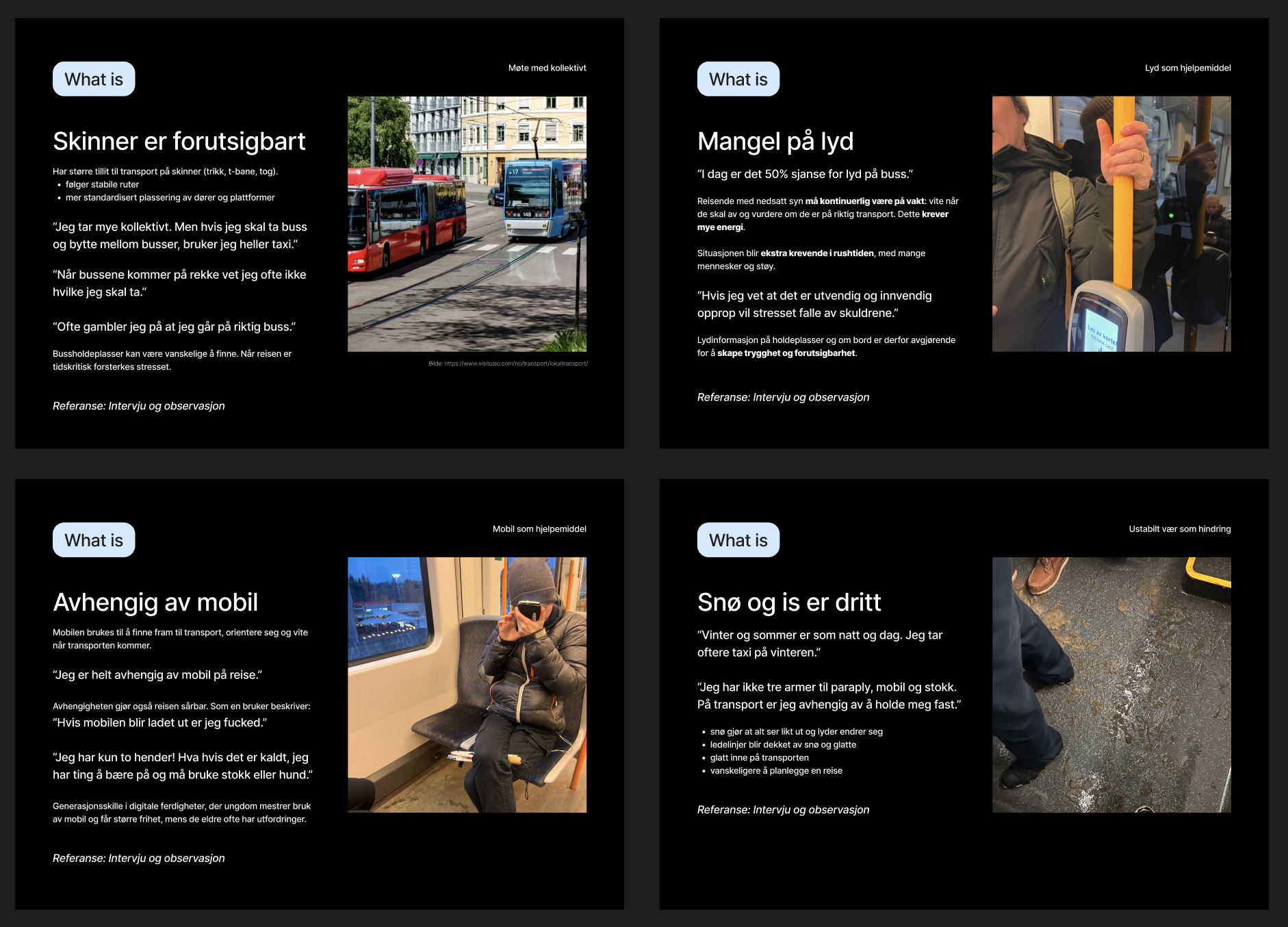
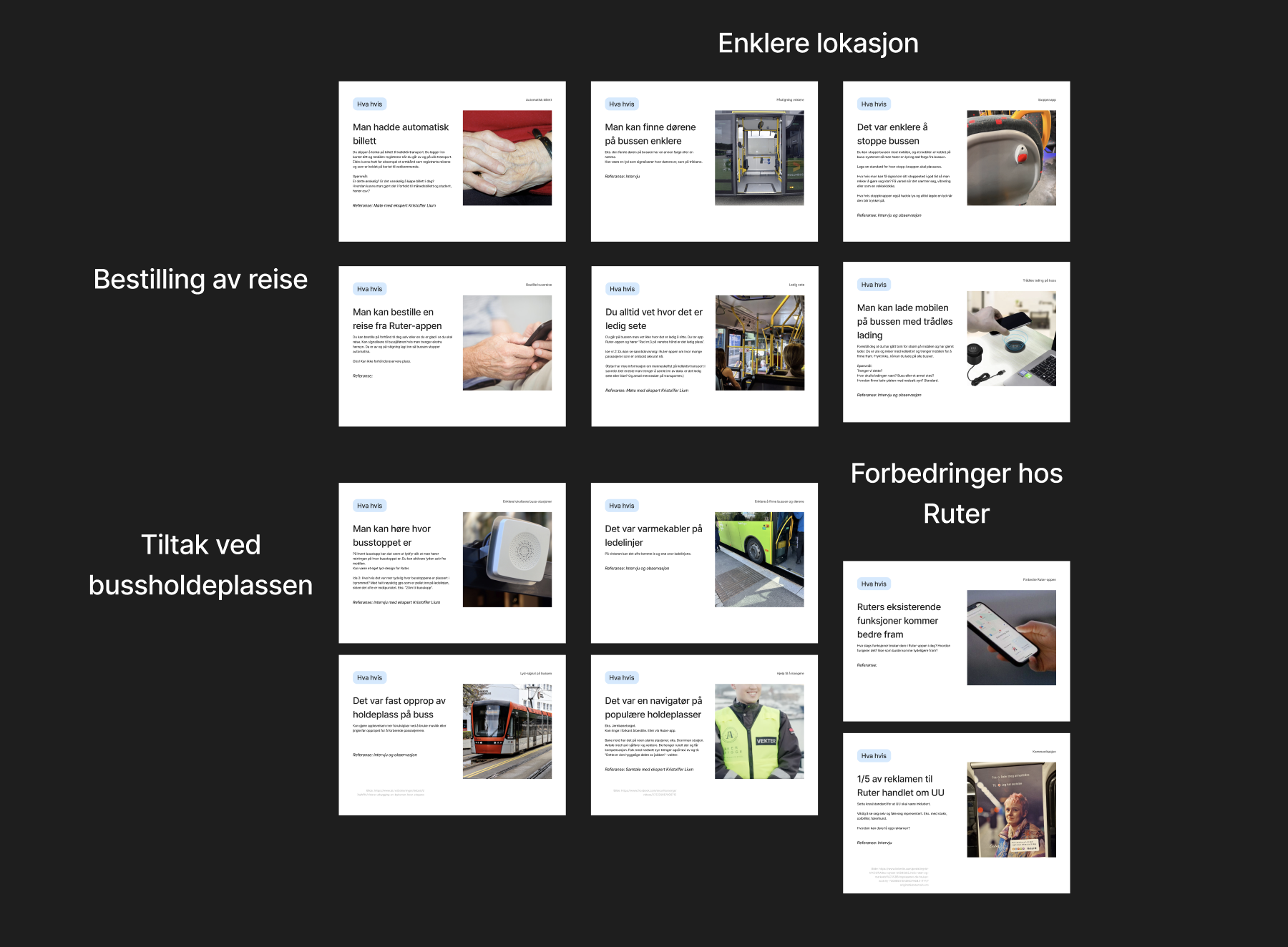
Using a strategic design approach, I move between understanding “What is” and envisioning “What if” to bridge present challenges with future opportunities.
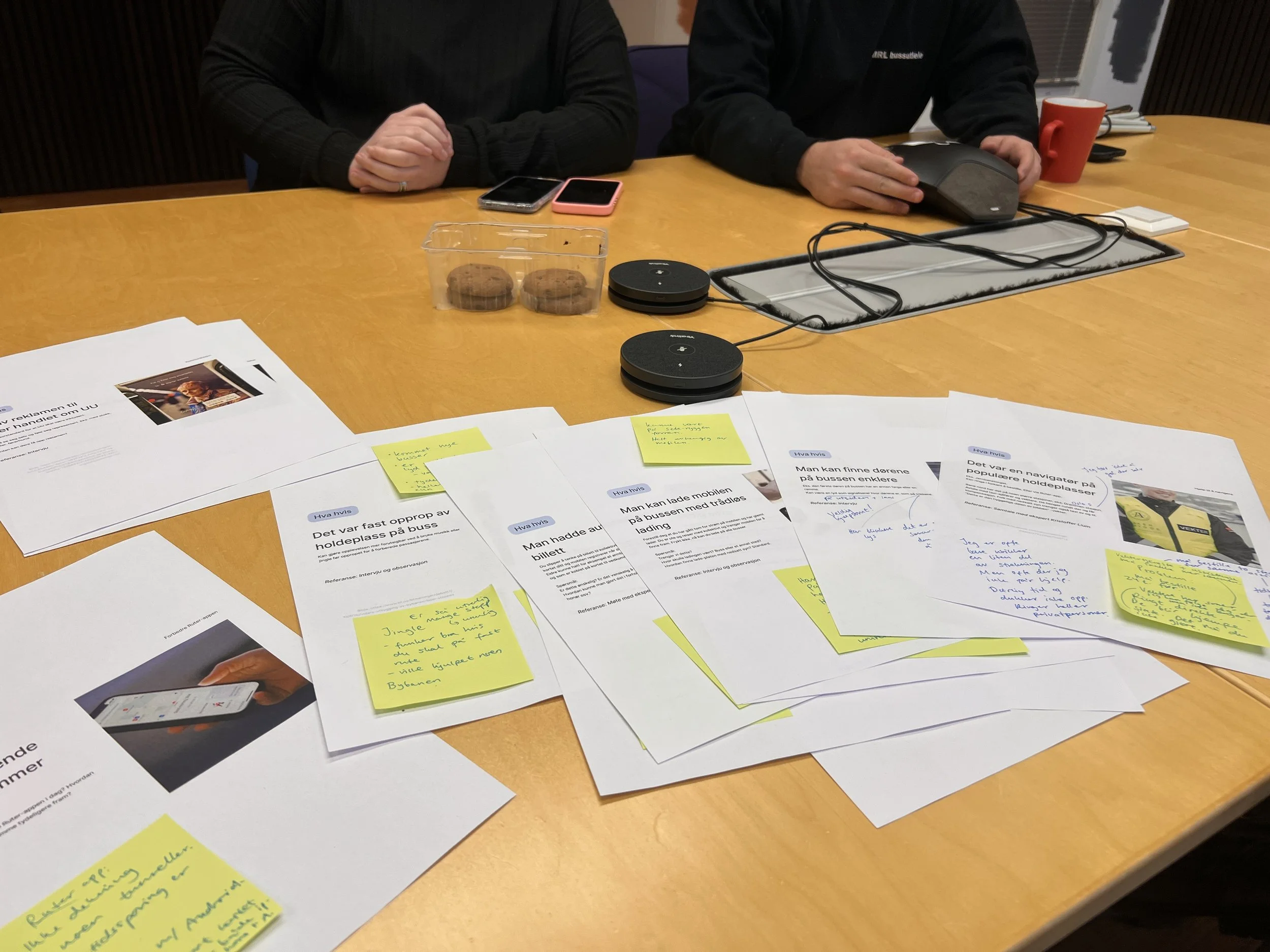
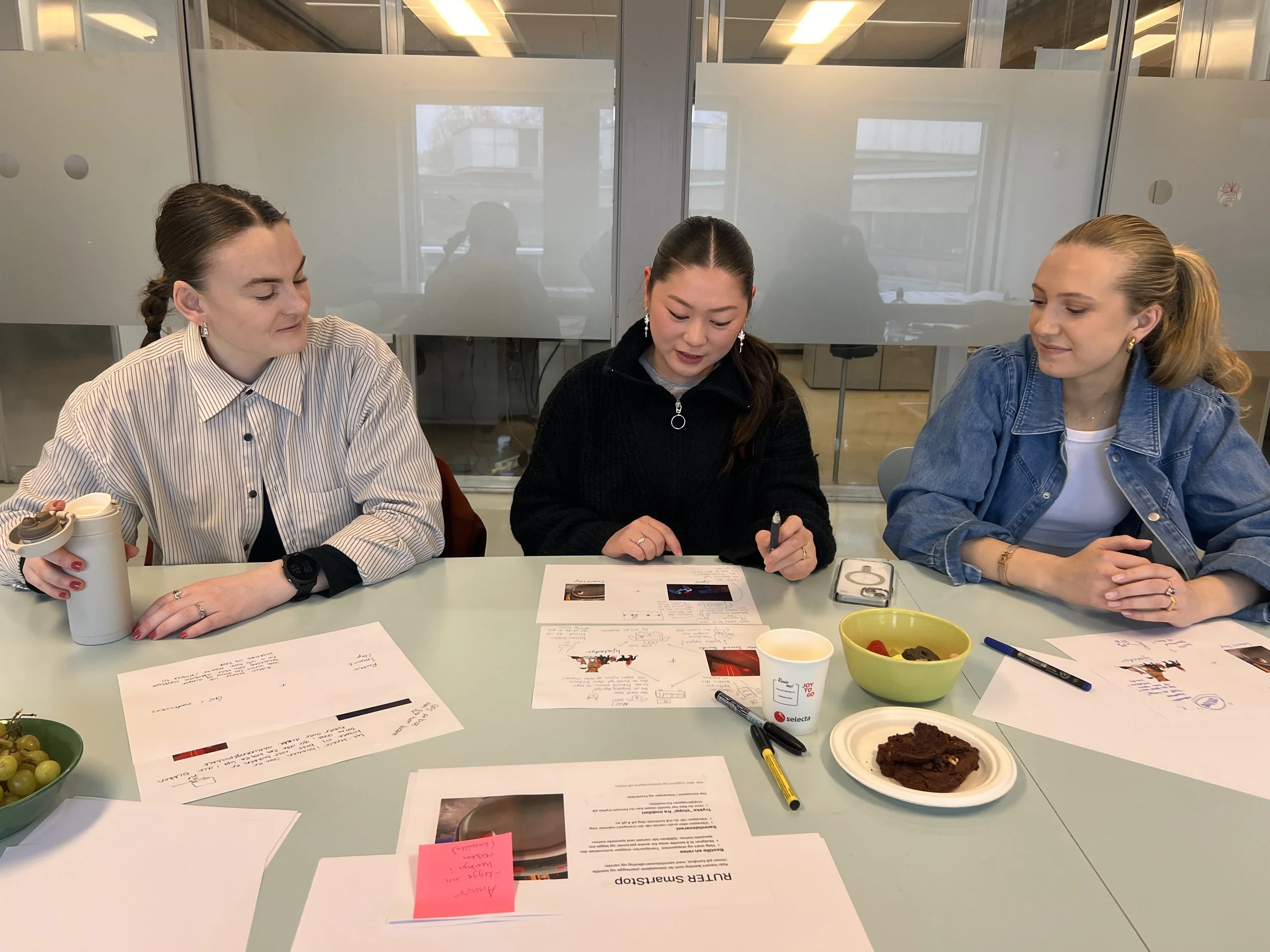
I facilitated workshops with users and designers to evaluate the concepts, and I also tested them with staff at Ruter to gain insights from the operational perspective.
The project is now entering the prototyping phase. Testing ideas early in real-world contexts with users is essential to ensure relevance, usability and impact. I am pleased with the progress so far and excited to continue developing the concepts into design proposals.
After further testing the concepts, I will refine them and explore how Ruter can implement them in ways that are both technically feasible and user-friendly.
Film fra observasjon:
Hvordan kan det være å reise med kollektivtransport som blind i dag?
Designforslag:
“Lytt til ruten” i Ruter-appen med varsling og retningsstyrt lyd
Diplompresentasjon “Blind på buss”
More projects